How To Start Your Weed Eater In Under Seconds
Weed eaters are a great way to keep your yard looking its best, but they can be frustrating to start if you don't know what you're doing. In this blog post, I'll show you how to start your weed eater in under 10 seconds, so you can get back to trimming those weeds in no time.
Introduction
Weed eaters are powered by a two-stroke engine, which means that they require a mixture of gasoline and oil to run. The first step to starting a weed eater is to make sure that the fuel mixture is correct. The correct ratio of gasoline to oil is usually 40:1, but you should check your owner's manual to be sure.
Once you've made sure that the fuel mixture is correct, you can move on to priming the engine. Priming the engine helps to get the fuel and air flowing through the carburetor, which makes it easier to start. To prime the engine, simply press the primer bulb several times.
Main Content
Now that the fuel mixture is correct and the engine is primed, it's time to start it. Here are the steps on how to start your weed eater in under 10 seconds:
- Put on safety glasses and gloves.
- Make sure that the choke is in the "full choke" position.
- Pull the starter cord slowly until you feel resistance.
- Pull the starter cord quickly and smoothly.
- If the engine doesn't start, repeat steps 3 and 4.
Conclusion
That's all there is to it! By following these simple steps, you can start your weed eater in under 10 seconds. So get out there and start trimming those weeds!
Additional Tips
Here are a few additional tips to help you start your weed eater more easily:
- Make sure that the spark plug is properly gapped.
- Keep the air filter clean.
- Store your weed eater in a cool, dry place.
Troubleshooting
If you're having trouble starting your weed eater, here are a few things to check:
- Is the fuel mixture correct?
- Is the choke in the correct position?
- Is the spark plug properly gapped?
- Is the air filter clean?
If you've checked all of these things and your weed eater still won't start, you may need to take it to a qualified technician for further assistance.
If you're looking for more information about weed eaters, I recommend visiting Home Gardening. This website has a comprehensive guide to weed eaters, including information on different types of weed eaters, how to choose the right weed eater for your needs, and how to use a weed eater safely.
FAQ of weed eater
- What is a weed eater?
A weed eater is a handheld power tool that uses a rotating line to cut weeds and other vegetation. It is also known as a string trimmer, weed whacker, or whipper snipper.
- What are the different types of weed eaters?
There are two main types of weed eaters: gas-powered and electric. Gas-powered weed eaters are more powerful, but they are also heavier and more difficult to start. Electric weed eaters are less powerful, but they are lighter and easier to start.
- What is the best type of weed eater for me?
The best type of weed eater for you depends on your needs and preferences. If you have a large yard or need a lot of power, a gas-powered weed eater is a good option. If you have a small yard or prefer a lighter tool, an electric weed eater is a good choice.
- How do I use a weed eater safely?
Always wear eye protection and long sleeves when using a weed eater. Be careful not to hit anything hard with the line, as this could cause the tool to kick back. Also, be aware of your surroundings and avoid using the weed eater near people or animals.
- How do I maintain a weed eater?
After each use, clean the weed eater and remove any debris from the line head. Inspect the line head for wear and tear, and replace it as needed. You should also change the oil in a gas-powered weed eater every season.
- What are some common problems with weed eaters?
The most common problems with weed eaters are:
* The line breaks.
* The tool doesn't start.
* The line head is clogged.
* The tool vibrates too much.
If you experience any of these problems, there are usually simple solutions. For example, if the line breaks, you can simply replace it. If the tool doesn't start, you may need to clean the spark plug or adjust the carburetor. If the line head is clogged, you can clear it out with a wire brush. And if the tool vibrates too much, you may need to tighten the screws on the handle.
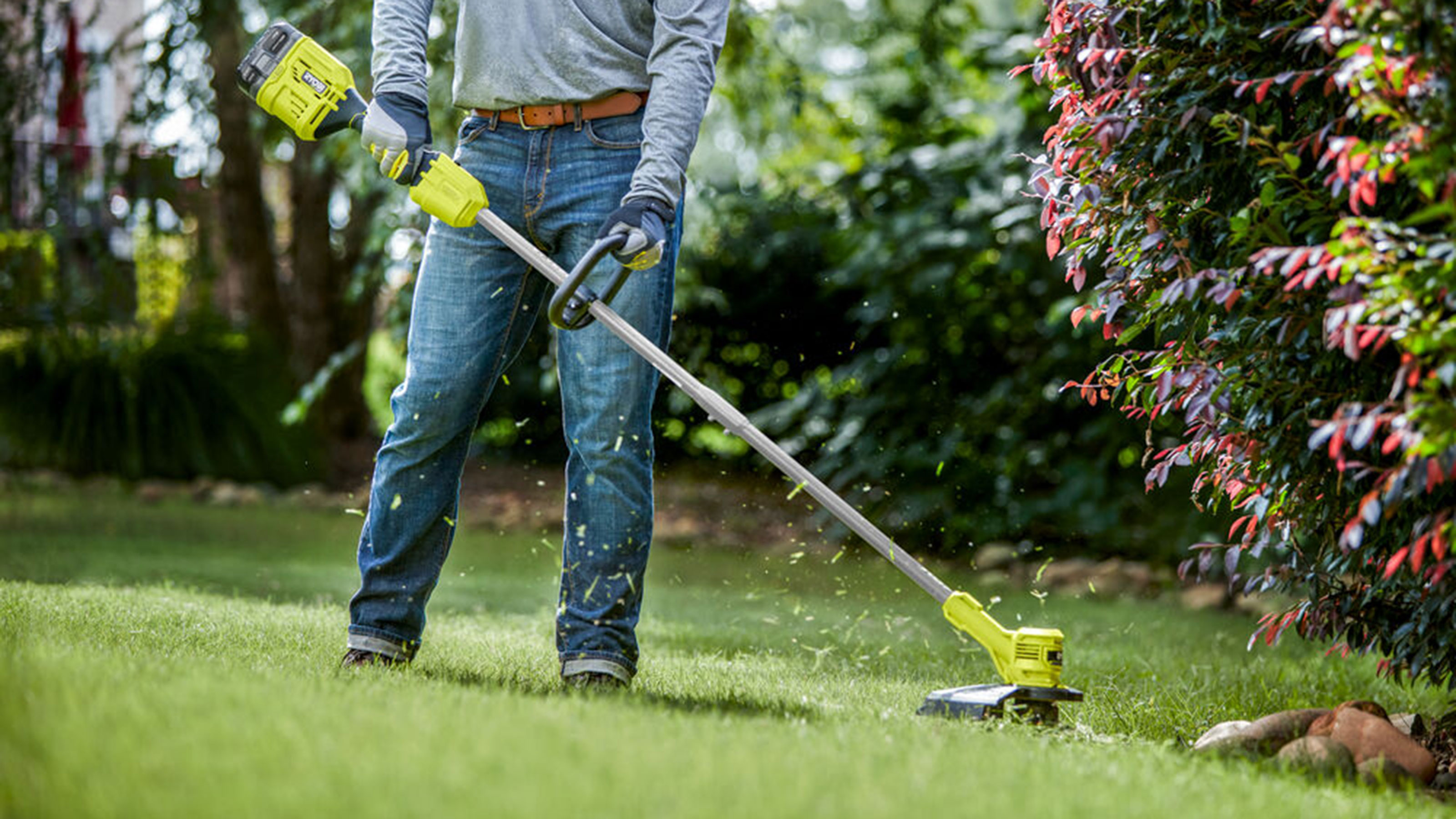
Image of weed eater
- A gas-powered weed eater with a long shaft and a curved head.
- A battery-powered weed eater with a short shaft and a straight head.

- A weed eater with a dual-line head, which means it has two strings that spin around to cut weeds.

- A weed eater with a curved blade, which is used for cutting thicker weeds and grasses.

- A weed eater with a flail head, which is used for clearing brush and weeds from hard-to-reach areas.

- A weed eater with a backpack blower attachment, which can be used to clear leaves and debris from patios, walkways, and driveways.

- A weed eater with a shoulder strap, which makes it easier to carry and use.

- A weed eater with a safety guard, which helps to protect the user from flying debris.

- A weed eater with a variety of attachments, which allows it to be used for a variety of tasks.

- A weed eater in use, cutting weeds and grass.

Post a Comment for "How To Start Your Weed Eater In Under Seconds"